The Math on Multifamily Flooring Is Outdated (And It’s Costing Developers More Than They Think)
Every multifamily flooring project loves to talk about value engineering until the chosen product starts failing. And it always fails for the same reason: the budget was built ten years ago and never updated.
Here’s the truth the industry dances around:
You’re not choosing LVP because it’s better. You’re choosing it because the flooring allowance is frozen in time.
Let’s do the math. National averages today look like this:
- LVP: $1.70–$3.50 per square foot installed
- Mid-grade engineered hardwood: $6–$10 installed
- Commercial-grade engineered hardwood: $10–$16+ installed
Nobody is fitting real hardwood into a $2–$3 budget.
The problem isn’t the product.
The problem is the math.
So the spec throws hardwood out before the project even starts.
Not because it can’t perform.
Not because tenants won’t value it.
But because the budget is built on a number that doesn’t reflect how the asset actually operates.
Here’s the part that never gets discussed.
Hardwood can fit the multifamily budget — if you rebalance the right line items.
There are three buckets that always absorb more money than they return:
1. Design upgrades nobody notices after move-in
Decorative lighting, designer wall accents, backsplash swaps, and color palettes sound great in presentations. But they don’t close leases.
Flooring does.
It’s the largest, most visible surface in the unit.
2. Unit-turn costs that quietly wipe out “savings”
Cheap floors create:
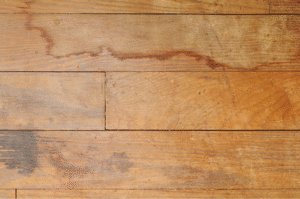
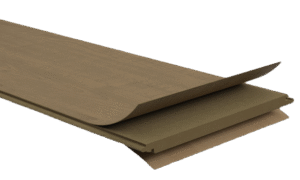
- delamination
- cupping from HVAC shutdowns
- board failures
- high turnover labor
- replacements every few years
One ruined unit during turnover erases the entire price delta between LVP and real engineered hardwood.
3. Replacement cycles vs. long-term performance
LVP is disposable.
Hardwood is not.
Across a 10-year hold, replacing LVP twice costs far more than paying for durable engineering once.
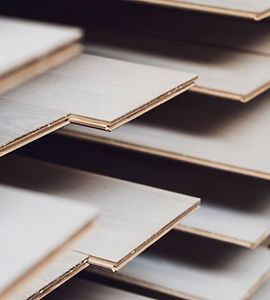
This is exactly where Haute Plank changes the equation — thick construction, a marine birch core that resets after moisture events, commercial-rated finishes, and width stability that survives real traffic, not theoretical testing.
You’re not paying for aesthetics.
You’re paying to avoid headaches, downtime, repairs, and the slow erosion of NOI.
So here’s the challenge.
Stop budgeting flooring like it’s 2013.
Stop pulling money from the finishes that actually sell units.
And stop pretending “value engineering” helps when it keeps hitting the wrong line items.
The multifamily budget isn’t the problem. The allocation is.
If flooring is one of the hardest-working, highest-impact, most visible surfaces in the unit, why is it the last place anyone runs the math?
It’s time to rethink the numbers.
Contact me or one of my knowledgeable team members to learn more about Haute Plank’s commercial hardwood flooring program.